

News·
Comparing Static vs. Roller Guides: Which Is Better for Your Billet Rolling Process?
In the highly demanding environment of a steel rolling mill, precision and efficiency are paramount. The journey of a billet as it transforms into a finished
Table of Contents
In the highly demanding environment of a steel rolling mill, precision and efficiency are paramount. The journey of a billet as it transforms into a finished product requires flawless guidance through the rolling stands. This is where the choice of rolling mill rolling guides becomes a critical decision for plant engineers and metallurgists. The debate often centers around two primary types: static guides and roller guides. Selecting the appropriate guide system directly impacts product quality, mill downtime, and overall operational costs. This comprehensive analysis explores the functionalities, advantages, and ideal applications of both static and roller guides to help you determine which is better suited for your specific billet rolling process.
Understanding the Role of Guides in a Rolling Mill
Before diving into the comparison, it is essential to understand the fundamental purpose of these components. Guides in a rolling mill are designed to direct the stock (in this case, the billet) accurately into the roll pass and ensure it exits correctly. They prevent the material from twisting, cobbling (a severe jam in the mill), or wandering off-center. Proper guidance ensures the billet is reduced uniformly, resulting in the desired shape and dimensions while minimizing wear on the rolls themselves.
The effectiveness of the guidance system dictates the stability of the entire rolling operation. Inadequate guidance leads to surface defects, dimensional inaccuracies, and catastrophic mill stops. Therefore, the selection between static guides and roller guides is not merely a matter of preference but a strategic engineering choice.
The Mechanics of Static Guides
What Are Static Guides?
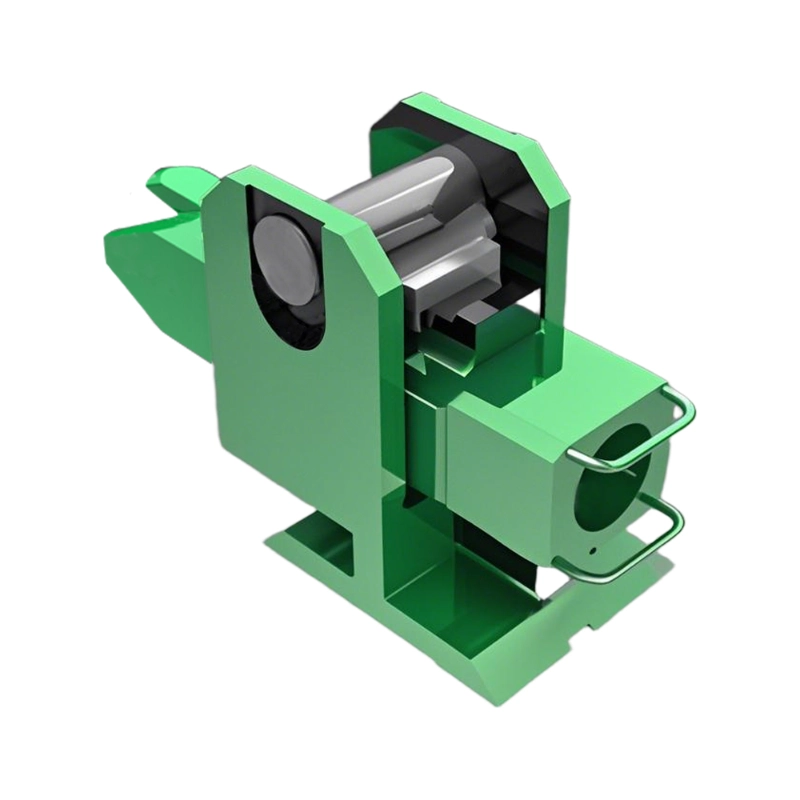
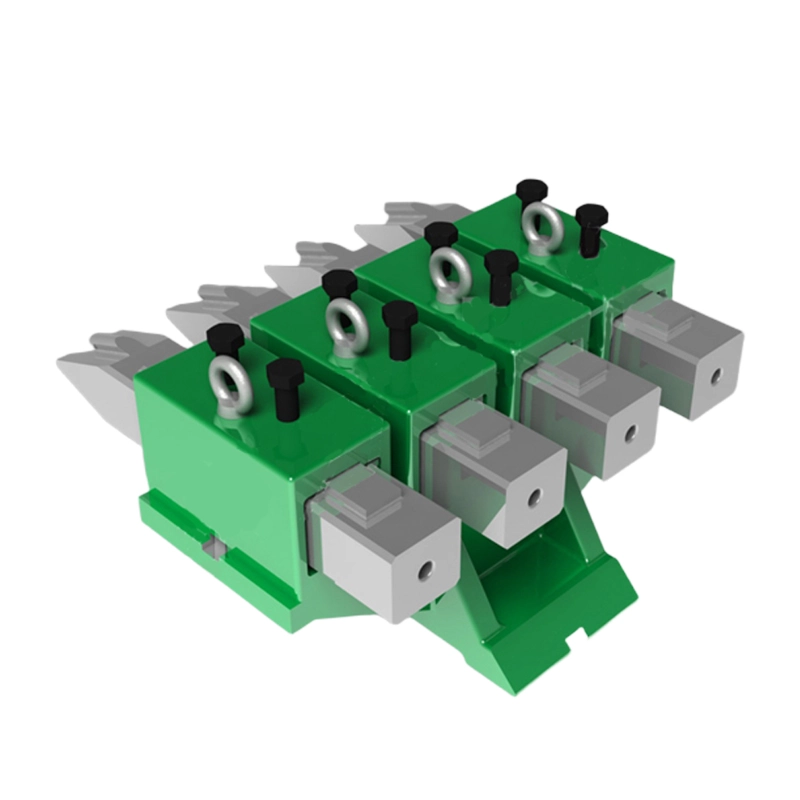
Static guides, as the name implies, are non-moving components designed to channel the billet. They are typically cast or machined from highly wear-resistant materials, such as specific grades of cast iron or specialized steel alloys. The guiding action relies on physical contact and sliding friction between the moving hot billet and the stationary inner surfaces of the guide.
These guides are generally simpler in design compared to their roller counterparts. They often consist of a rigid box or a set of adjustable plates that form a funnel or channel tailored to the specific profile of the incoming stock.
Advantages of Static Guides
- Simplicity and Durability: The primary advantage of a static guide is its robust simplicity. With no moving parts, there are no bearings to fail or rollers to seize. In the harsh, high-temperature environment of a billet mill, this ruggedness translates to reliability.
- Lower Initial Cost: Due to their simpler construction and lack of complex internal mechanisms, static systems generally require a lower initial capital investment.
- Resistance to Heat: The heavy, solid construction of static guides allows them to absorb and dissipate heat effectively, making them suitable for the extreme temperatures encountered during roughing passes.
- Tolerant of Scale: During the initial stages of rolling, billets often carry significant amounts of scale (iron oxide). Static guides are less susceptible to jamming from scale accumulation compared to the intricate workings of roller systems.
Disadvantages of Static Guides
- High Friction and Wear: The most significant drawback is the sliding friction. The constant rubbing of the hot steel against the guide surface causes rapid wear on the guide itself. This necessitates frequent adjustments and replacements, increasing maintenance downtime.
- Surface Defects: The high friction can also lead to scratches or gouges on the surface of the billet, which may persist into the finished product.
- Energy Consumption: Overcoming the friction of a static guide requires more energy from the mill drives compared to rolling friction.
- Adjustment Challenges: Adjusting static systems for different billet sizes or wear compensation can be a manual and time-consuming process.
The Mechanics of Roller Guides
What Are Roller Guides?
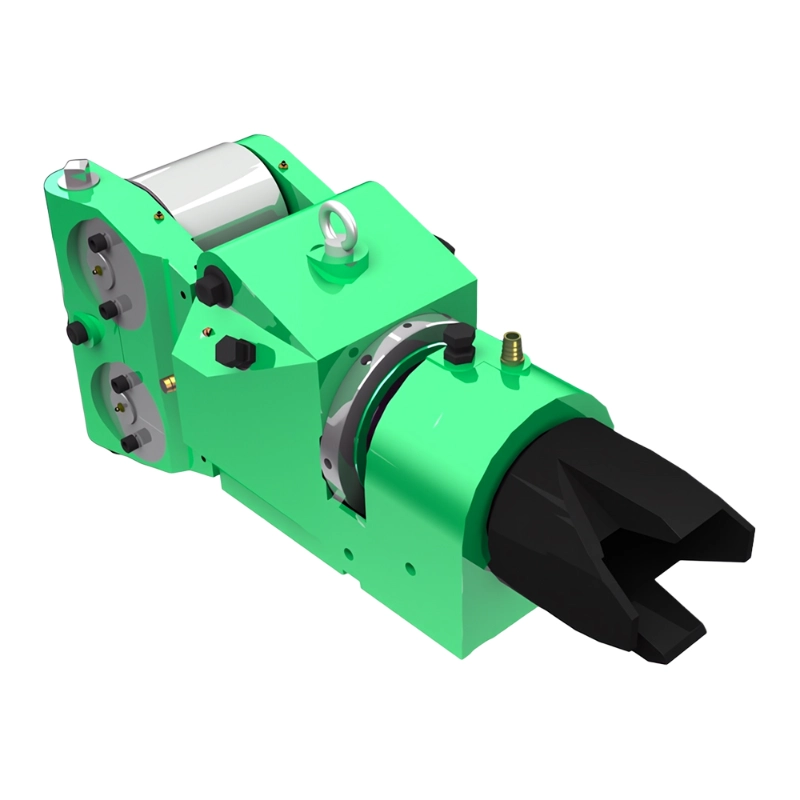
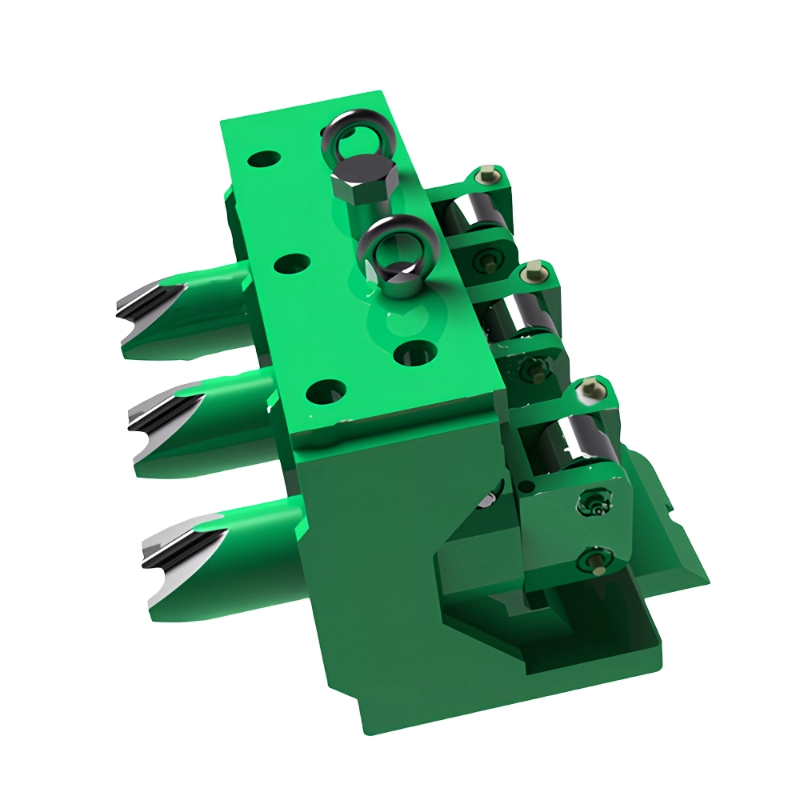
Roller guides represent a more advanced approach to billet guidance. Instead of relying on sliding friction, these guides utilize a series of rotating rollers to guide the stock. The billet contacts the rollers, which spin with the forward motion of the material, significantly reducing friction.
These systems are typically more complex, consisting of a central body housing adjustable roller arms, bearings, and lubrication systems. The rollers themselves are usually made of specialized tool steels or even tungsten carbide for maximum wear resistance.
Advantages of Roller Guides
- Reduced Friction: The transition from sliding to rolling friction is the fundamental benefit. This minimizes wear on both the guide components and the billet surface, resulting in a cleaner, defect-free product.
- High-Speed Capability: The low friction characteristics make roller guides essential for modern, high-speed rolling mills where static friction would generate excessive heat and wear.
- Precision Guidance: Roller guides offer superior control over the billet’s position and orientation. They can precisely center the stock and prevent twisting, which is crucial for achieving tight dimensional tolerances.
- Longer Operational Life: Although the initial cost is higher, the reduced wear rate means the rollers and the guide assembly generally have a longer lifespan between maintenance intervals compared to static systems.
- Energy Efficiency: Less friction translates to lower energy requirements from the mill motors.
Disadvantages of Roller Guides
- Complexity and Cost: The intricate design, featuring bearings, seals, and lubrication channels, makes them significantly more expensive to purchase and maintain.
- Susceptibility to Damage: The moving parts and bearings are vulnerable to damage from scale ingress, water, and extreme heat if the cooling or lubrication systems fail.
- Maintenance Requirements: They require more sophisticated maintenance procedures, including regular inspection of bearings and ensuring the lubrication systems are functioning perfectly.
- Cobble Risk on Impact: In the roughing stands, the sudden impact of a large, slightly distorted billet can sometimes damage the precision components of a roller guide.
Comparative Analysis: Static vs. Roller Guides
To facilitate a clearer understanding, the following table summarizes the key differences between the two guide types:
| Feature | Static Guides | Roller Guides |
| Friction Type | Sliding | Rolling |
| Initial Cost | Low | High |
| Maintenance Complexity | Low (frequent replacement) | High (requires precision care) |
| Wear Rate (Guide) | High | Low |
| Risk of Billet Scratching | High | Low |
| Energy Consumption | Higher | Lower |
| Best Suited For | Roughing stands, high scale, lower speeds | Intermediate/Finishing stands, high speeds, precision |
| Moving Parts | None | Rollers, Bearings |
Strategic Placement in the Billet Rolling Process
The decision is rarely an “either/or” across the entire rolling mill. The most effective approach involves a strategic deployment of both types based on the specific requirements of each rolling stage.
The Roughing Mill: The Domain of Static Guides
In the roughing stages, the billet is large, hot, and often covered in abrasive scale. The primary goal here is significant cross-sectional reduction rather than precise shaping. The rough handling, heavy impacts, and sheer volume of scale make static guides the preferred choice. Their robust nature allows them to withstand the harsh conditions where the delicate bearings of a roller guide might fail prematurely. The surface finish is less critical at this stage, as subsequent passes will smooth out minor imperfections.
Intermediate and Finishing Mills: The Necessity of Roller Guides
As the billet progresses to the intermediate and finishing stands, the dynamics change. The cross-section is smaller, the speed is significantly higher, and dimensional accuracy becomes paramount. Here, the sliding friction of static guides would cause unacceptable wear, heat generation, and surface defects. Roller guides become essential. They provide the precise centering required to ensure the material enters the complex pass designs accurately, preventing twisting and ensuring a high-quality surface finish on the final product. The higher speeds necessitate the low-friction rolling action to prevent cobbles and maintain mill efficiency.
Key Factors to Consider When Choosing
When deciding which guide system to implement for a specific stand in your billet rolling process, consider the following variables:
- Mill Speed: High-speed finishing stands mandate roller systems. Slower roughing stands can utilize static setups.
- Product Quality Requirements: If surface finish and tight dimensional tolerances are critical, roller systems are superior.
- Material Being Rolled: Highly abrasive or sticky alloys might influence the choice. Some specialty steels might require the precision of roller setups even earlier in the process.
- Maintenance Capabilities: Does your maintenance team have the expertise and time to service complex roller systems, or is the simplicity of swapping static boxes preferred?
- Cooling and Lubrication: Roller systems require robust and reliable water cooling and grease/oil lubrication systems. If these utilities are limited at a specific stand, static options might be necessary.
Conclusion
The debate between static and roller guides is settled not by declaring a universal winner, but by understanding the specific strengths and weaknesses of each. Static guides offer rugged simplicity and are the workhorses of the roughing mill, capable of handling scale and impact with ease. Roller guides, conversely, are precision instruments essential for high-speed intermediate and finishing operations, providing the low friction and accurate centering needed for high-quality billet rolling.
Optimizing your rolling mill rolling guides requires a balanced approach. By carefully analyzing the demands of each rolling stand—speed, reduction ratio, temperature, and quality requirements—you can engineer a hybrid system that maximizes the benefits of both static and roller technologies, leading to increased productivity, reduced downtime, and a superior finished product.
FAQ
1. Can I completely eliminate static guides from my billet rolling mill?
While technologically possible in some highly specialized setups, it is generally not recommended or cost-effective for standard billet rolling. The roughing stands endure heavy impacts and heavy scale, which are highly detrimental to the bearings and precision components of roller systems. Static setups remain the most robust and economical choice for the initial reduction stages.
2. How often do the rollers in a roller guide need to be replaced?
The lifespan of the rollers varies significantly based on factors such as mill speed, the material being rolled, the effectiveness of the cooling/lubrication system, and the roller material itself (e.g., tool steel vs. tungsten carbide). While they last longer than static contact surfaces, they require regular inspection. A well-maintained roller in an intermediate stand might last for several weeks of continuous operation, but this must be determined through condition monitoring in your specific mill.
3. What is the most common cause of failure in roller guides?
The most frequent cause of failure is bearing damage. This is typically caused by either an ingress of water and scale due to failed seals or a lack of adequate lubrication. Additionally, sudden, severe impacts from cobbled or severely distorted billets entering the stand can fracture the rollers or bend the support arms. Regular maintenance and ensuring optimal functioning of the utility systems (water and grease) are critical to preventing these failures.