

News·
Top 5 Materials for Rolling Mill Guides: Balancing Wear Resistance and Cost
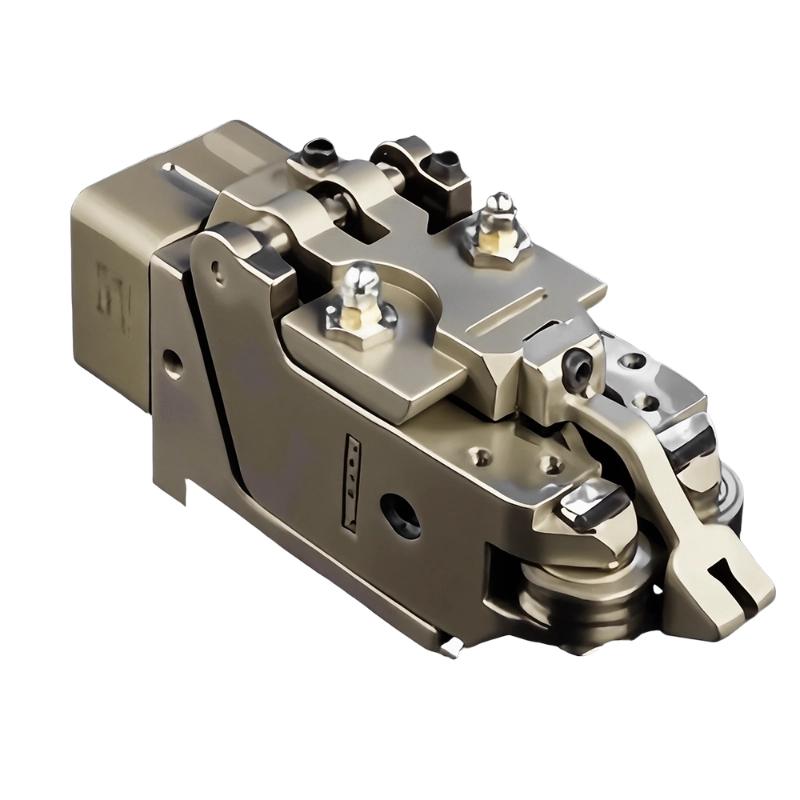
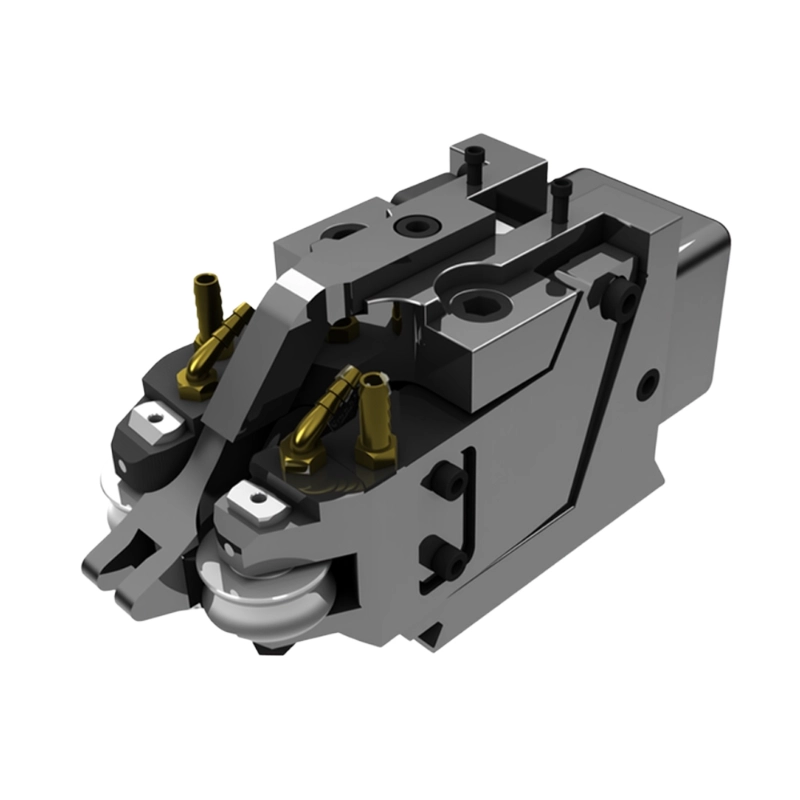
Rolling mill guides are essential rolling mill components that direct hot steel through the various stands of a rolling mill. Their primary function is to
Table of Contents
Rolling mill guides are essential rolling mill components that direct hot steel through the various stands of a rolling mill. Their primary function is to maintain the shape, size, and surface quality of the rolled product while preventing cobbles (tangles of hot steel). Because they operate in a harsh environment characterized by extreme temperatures, high friction, and significant mechanical stress, the material selection for these guides is critical. The ideal material must offer an optimal balance between exceptional wear resistance and acceptable cost-efficiency.
Selecting the right material for rolling guides material directly impacts the mill’s productivity, the quality of the finished product, and the overall maintenance budget. Frequent replacement of worn guides leads to costly downtime and increased operational expenses. Conversely, investing in excessively expensive materials might not always yield a proportional return on investment if the wear conditions don’t justify the cost.
This comprehensive guide explores the top five materials used for rolling mill guides, analyzing their properties, advantages, limitations, and cost-effectiveness to help you make an informed decision for your specific rolling application.
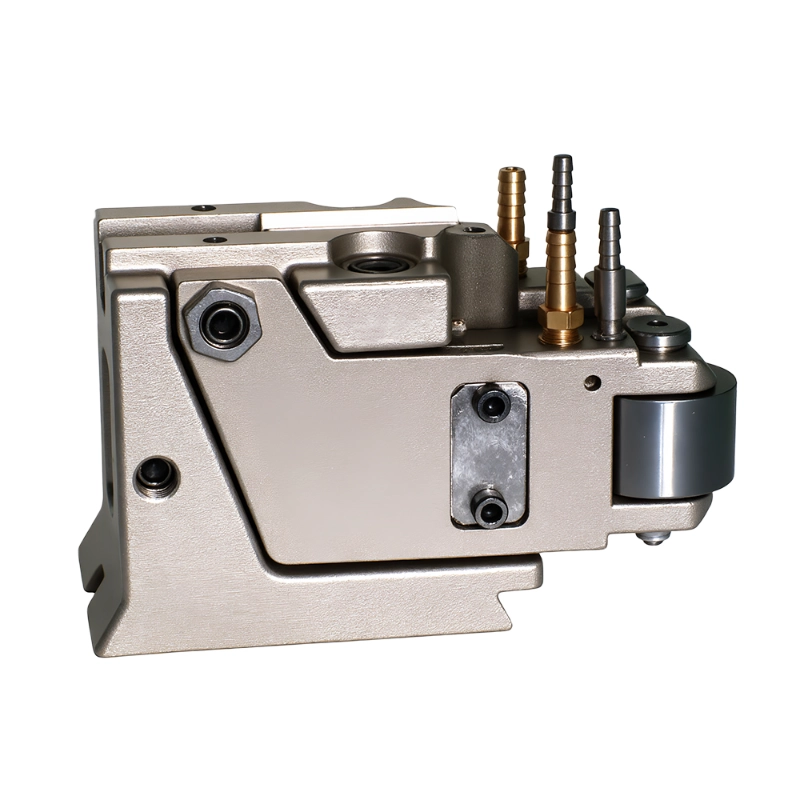
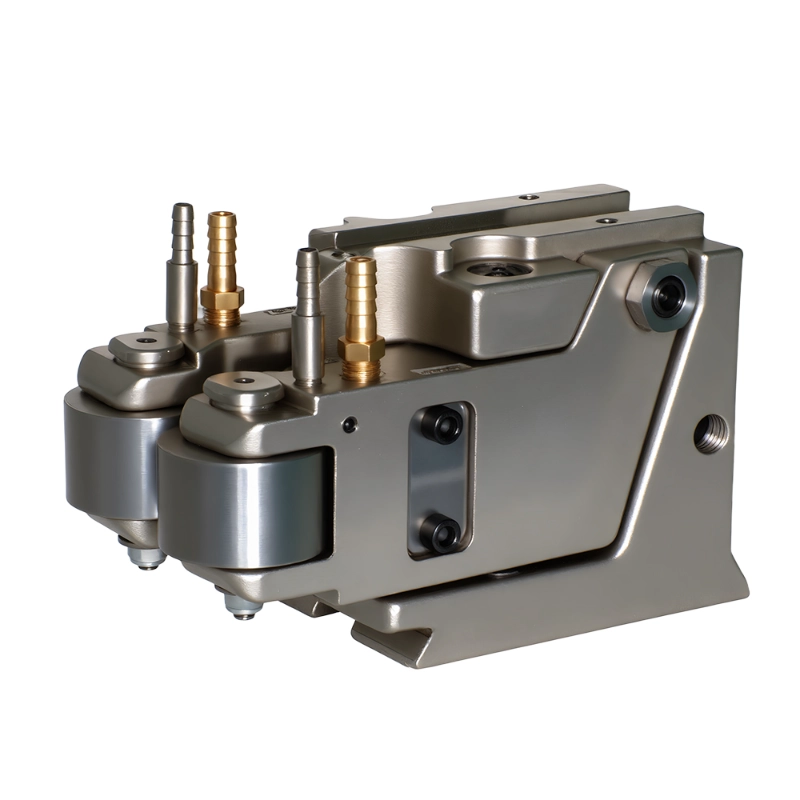
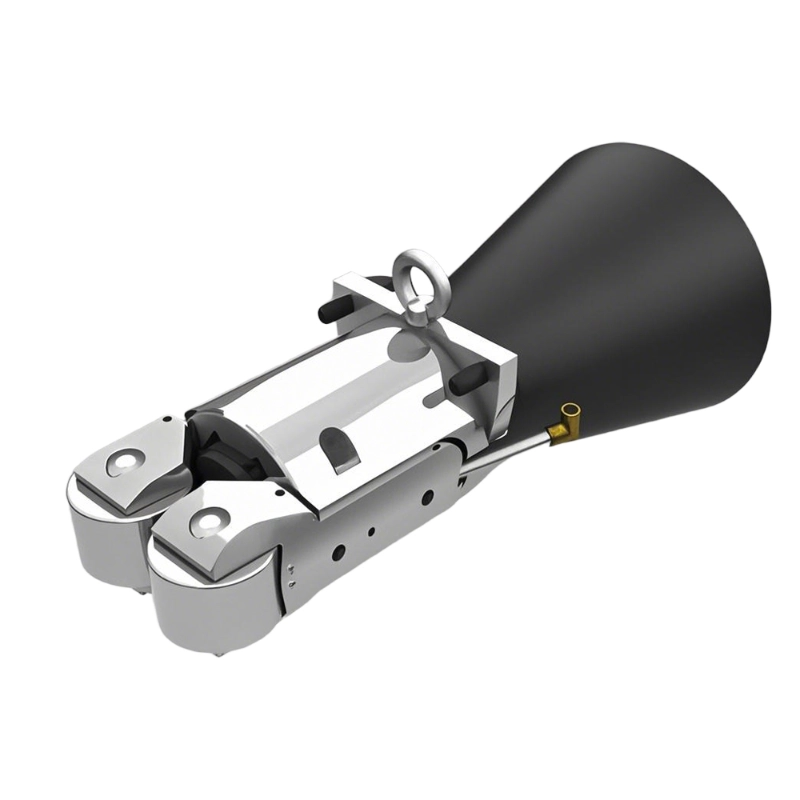
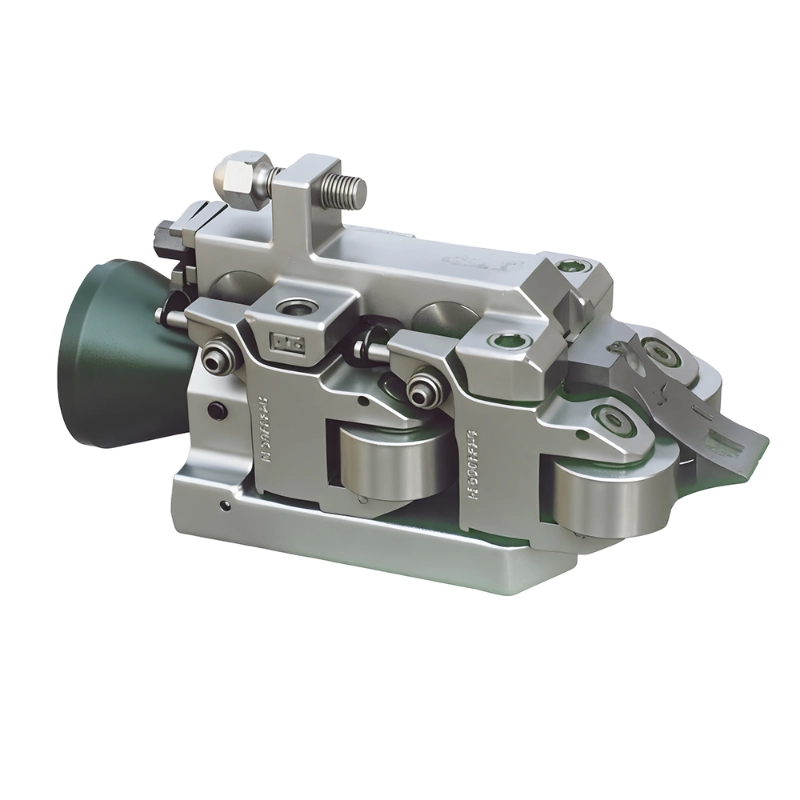
1. High-Speed Steel (HSS)
High-Speed Steel (HSS) is a complex alloy containing elements like tungsten, molybdenum, chromium, and vanadium. These alloying elements contribute to its remarkable hardness, wear resistance, and ability to retain its hardness at elevated temperatures—a property known as “red hardness.”
Properties and Performance
HSS exhibits excellent resistance to abrasion and adhesive wear, which are common mechanisms in rolling mill environments. The presence of hard carbides in the steel matrix provides a durable surface that withstands the intense friction generated by the hot steel passing through the guides. Furthermore, its red hardness ensures that the guide maintains its structural integrity and wear resistance even when exposed to the high temperatures typical of hot rolling operations.
Applications
HSS is frequently used for entry and delivery guides in intermediate and finishing stands where precision and surface quality are paramount. It is particularly well-suited for rolling applications involving high rolling speeds and tight tolerances.
Cost-Effectiveness
While HSS is more expensive than standard tool steels, its superior wear resistance often justifies the initial investment. The extended service life of HSS guides reduces downtime for replacements and maintenance, leading to an overall lower total cost of ownership in demanding applications.
| Feature | Description |
| Wear Resistance | Excellent |
| Temperature Resistance | High (Red Hardness) |
| Toughness | Moderate |
| Cost | High |
2. Nodular Cast Iron (Ductile Iron)
Nodular cast iron, also known as ductile iron, is a type of cast iron characterized by its nodular or spherical graphite microstructure. This unique structure distinguishes it from standard gray cast iron, providing significantly improved strength, toughness, and ductility.
Properties and Performance
Nodular cast iron offers a compelling combination of properties for rolling mill guides. Its inherent toughness allows it to absorb impact forces and resist cracking under severe mechanical stress. The nodular graphite acts as a solid lubricant, reducing friction between the guide and the rolled product. This self-lubricating property minimizes adhesive wear and helps prevent surface defects on the rolled steel. Additionally, nodular cast iron possesses good thermal conductivity, aiding in heat dissipation during operation.
Applications
Nodular cast iron is a versatile material commonly used for roughing and intermediate stands, where impact resistance is crucial. It is also a popular choice for larger guide assemblies due to its castability and relatively lower cost compared to high-alloy steels.
Cost-Effectiveness
Nodular cast iron is generally a more economical option than HSS or cemented carbides. It provides a good balance of wear resistance, toughness, and affordability, making it a cost-effective choice for many rolling mill applications, particularly where extreme wear is not the primary concern.
| Feature | Description |
| Wear Resistance | Good |
| Temperature Resistance | Moderate |
| Toughness | High |
| Cost | Low to Moderate |
3. Cemented Carbide (Tungsten Carbide)
Cemented carbide, often referred to as tungsten carbide, is a composite material consisting of hard carbide particles (primarily tungsten carbide) bound together by a metallic binder (usually cobalt or nickel). It is renowned for its extreme hardness and exceptional wear resistance.
Properties and Performance
Cemented carbide is the ultimate material for wear-resistant guides. Its extraordinary hardness allows it to withstand the most severe abrasive and adhesive wear conditions encountered in rolling mills. It maintains its wear resistance even at very high temperatures, ensuring consistent performance and prolonged service life. Cemented carbide guides provide excellent dimensional stability and contribute to superior surface finish on the rolled product.
Applications
Due to its high cost and relative brittleness compared to steels, cemented carbide is typically used selectively. It is common to use carbide inserts or wear pads strategically placed in high-wear areas of the guide assembly, rather than manufacturing the entire guide from solid carbide. This approach maximizes the benefits of carbide’s wear resistance while mitigating its limitations and controlling costs. It is primarily used in finishing stands where precision and surface quality are critical.
Cost-Effectiveness
Cemented carbide has a high initial cost. However, its exceptional wear resistance translates into significantly longer service life, reducing downtime and maintenance expenses. In applications with severe wear conditions, the use of carbide inserts can offer a substantial return on investment over the long term.
| Feature | Description |
| Wear Resistance | Outstanding |
| Temperature Resistance | Excellent |
| Toughness | Low (Brittle) |
| Cost | Very High |
4. Nickel-Hard Cast Iron (Ni-Hard)
Ni-Hard is a family of white cast irons alloyed with nickel and chromium. The nickel content promotes the formation of hard martensite, while the chromium forms wear-resistant carbides.
Properties and Performance
Ni-Hard cast irons are specifically designed for applications requiring exceptional abrasion resistance. They offer excellent resistance to sliding wear and are highly durable in abrasive environments. However, their toughness is relatively low, making them susceptible to cracking under impact or sudden shock loading.
Applications
Ni-Hard is typically used for guides in applications where severe abrasive wear is the primary concern and impact forces are relatively low. It is often employed in roughing stands or for specific guide components subjected to intense sliding friction.
Cost-Effectiveness
Ni-Hard provides a cost-effective solution for applications demanding high abrasion resistance. Its cost is generally lower than HSS or cemented carbides, making it an attractive option when extreme toughness is not required.
| Feature | Description |
| Wear Resistance | Excellent (Abrasion) |
| Temperature Resistance | Moderate |
| Toughness | Low |
| Cost | Moderate |
5. Tool Steels (D2, H13)
Various grades of tool steels are also utilized for rolling mill guides, depending on the specific requirements of the application. D2 (a high-carbon, high-chromium cold-work tool steel) and H13 (a chromium hot-work tool steel) are common choices.
Properties and Performance
- D2 Tool Steel: Offers excellent wear resistance due to its high volume of hard chromium carbides. It has good dimensional stability but relatively low toughness.
- H13 Tool Steel: Designed to withstand high temperatures and thermal shock. It provides a good balance of toughness, wear resistance, and high-temperature strength.
Applications
Tool steels are often used for specific guide components or in applications where a specific balance of properties is required. D2 might be used for guides in colder sections of the mill or for applications with severe abrasive wear. H13 is more suitable for guides exposed to high temperatures and thermal cycling.
Cost-Effectiveness
The cost-effectiveness of tool steels varies depending on the specific grade and application. They offer a versatile range of properties and can be a cost-effective choice when selected appropriately for the operating conditions.
| Material | Wear Resistance | Toughness | Temperature Resistance | Cost |
| D2 | High | Low | Moderate | Moderate |
| H13 | Good | Good | High | Moderate |
Material Selection Criteria
Choosing the optimal material for rolling mill guides involves a careful evaluation of several key factors:
- Wear Mechanisms: Identify the primary wear mechanisms in your specific application (abrasive, adhesive, thermal fatigue).
- Operating Temperatures: Consider the temperatures the guides will be exposed to. Materials must retain their strength and wear resistance at operating temperatures.
- Mechanical Stress: Evaluate the level of impact and mechanical stress the guides will endure. Materials with sufficient toughness are necessary to prevent cracking or failure.
- Rolling Speed and Tolerances: High-speed rolling and tight tolerances often require materials with exceptional wear resistance and dimensional stability.
- Cost vs. Service Life: Weigh the initial cost of the material against its expected service life and the associated maintenance and downtime costs.
Conclusion
The selection of rolling mill guide materials is a critical decision that directly impacts the efficiency, productivity, and profitability of a rolling operation. By understanding the properties, advantages, and limitations of the top materials—High-Speed Steel, Nodular Cast Iron, Cemented Carbide, Ni-Hard Cast Iron, and Tool Steels—you can make an informed choice that optimizes the balance between wear resistance and cost for your specific rolling mill requirements.
FAQ
1. How often should rolling mill guides be replaced?
The replacement frequency for rolling mill guides varies significantly depending on several factors, including the material used, the specific rolling application (roughing vs. finishing), the type of steel being rolled, and the operating conditions (temperature, speed, pressure). Some guides might require replacement after a few shifts, while others, particularly those utilizing cemented carbide inserts, can last for weeks or even months. Regular inspection and monitoring of guide wear are essential to determine the optimal replacement schedule.
2. Can I repair worn rolling mill guides instead of replacing them?
In many cases, yes. The repairability depends on the material and the extent of the wear. Steel guides can often be repaired through welding and hardfacing techniques to restore their original dimensions and improve their wear resistance. However, materials like cemented carbide or severely cracked cast iron guides are typically not repairable and must be replaced.
3. What is the difference between a static guide and a roller guide?
Static guides rely on friction to direct the steel and are typically made from solid wear-resistant materials. They are simpler and less expensive but can cause more surface defects on the rolled product due to the high sliding friction. Roller guides, on the other hand, incorporate rollers that rotate with the steel, significantly reducing friction and the likelihood of surface defects. Roller guides are more complex and expensive but are often preferred for finishing stands where surface quality is paramount.