

News·
How to Extend the Service Life of Roller Guides in High-Speed Wire Rod Mills
In modern steel production, high-speed wire rod mills operate under extreme conditions. Continuous rolling, elevated temperatures, heavy loads, and high
Table of Contents
In modern steel production, high-speed wire rod mills operate under extreme conditions. Continuous rolling, elevated temperatures, heavy loads, and high rotational speeds place enormous stress on critical components. Among these components, rolling guides play a decisive role in maintaining product quality, dimensional accuracy, and stable rolling performance.
For manufacturers aiming to reduce downtime and maintenance costs, improving the lifespan of rolling mill rolling guides has become a major operational priority. A well-maintained guide system not only ensures smooth rolling but also minimizes unplanned shutdowns, reduces spare part consumption, and improves production efficiency in high-speed wire rod mill applications.
This article explores the most effective methods for extending the service life of roller guides, including material selection, lubrication strategies, installation practices, cooling optimization, and predictive maintenance techniques.
Understanding the Role of Roller Guides in Wire Rod Mills
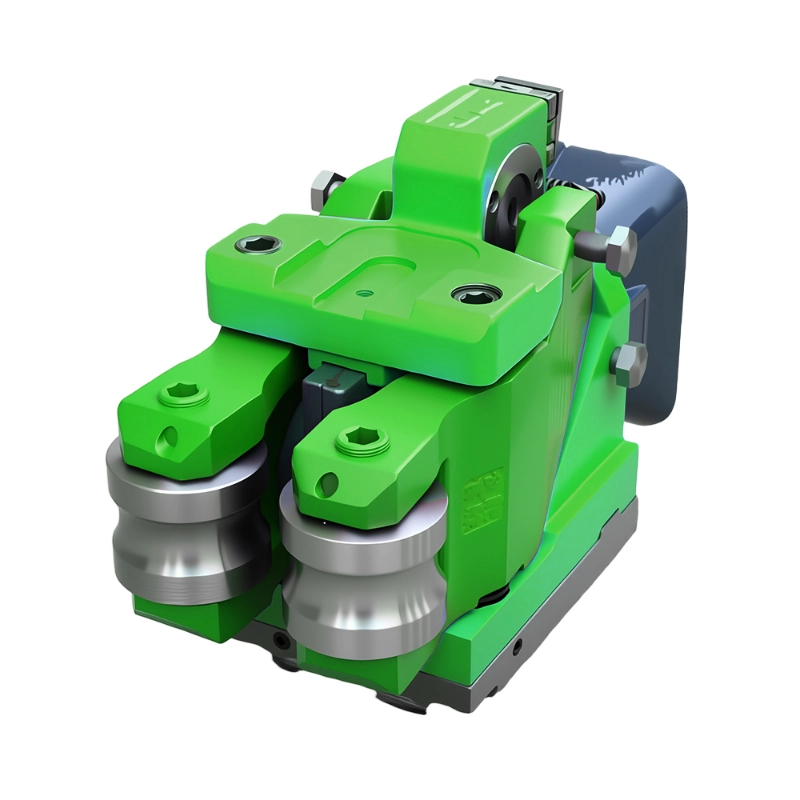
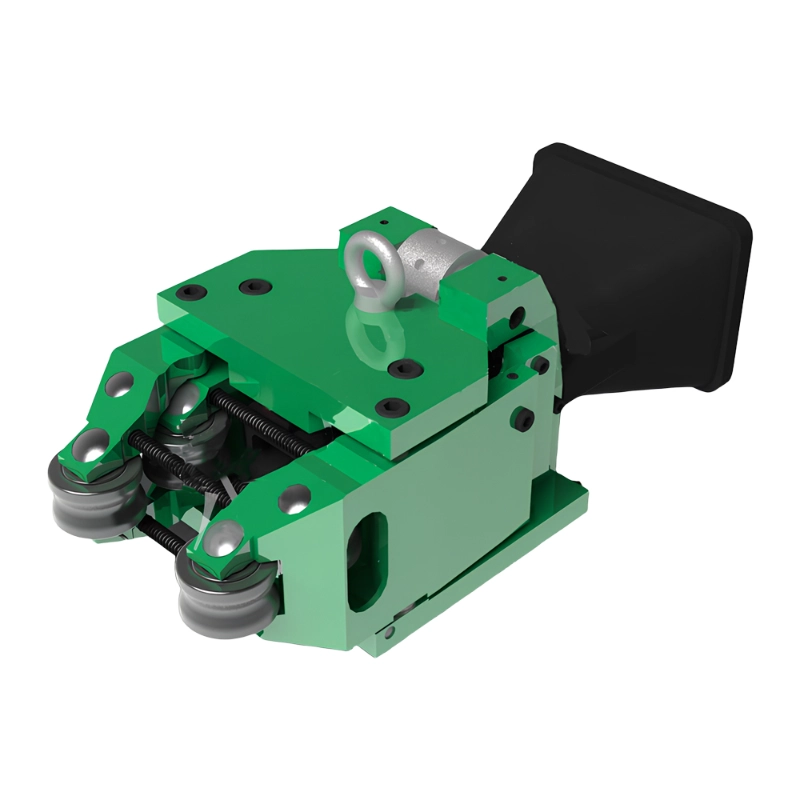
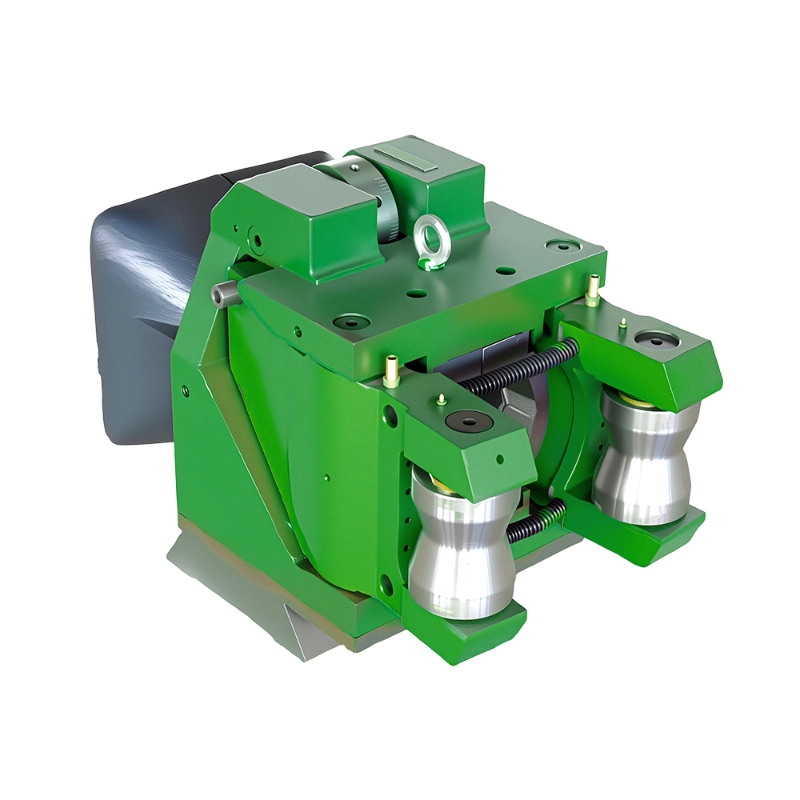
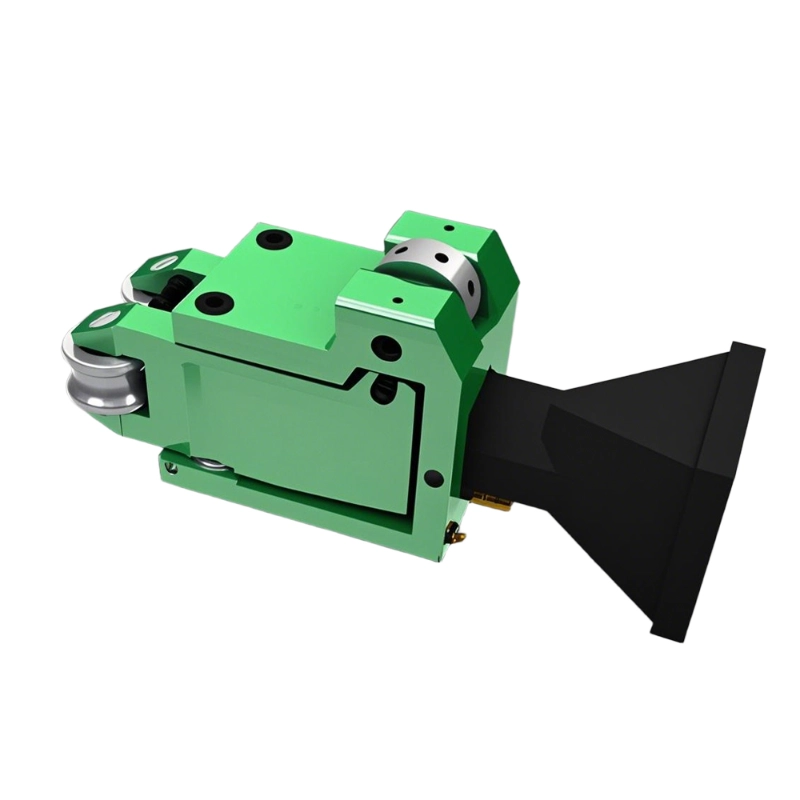
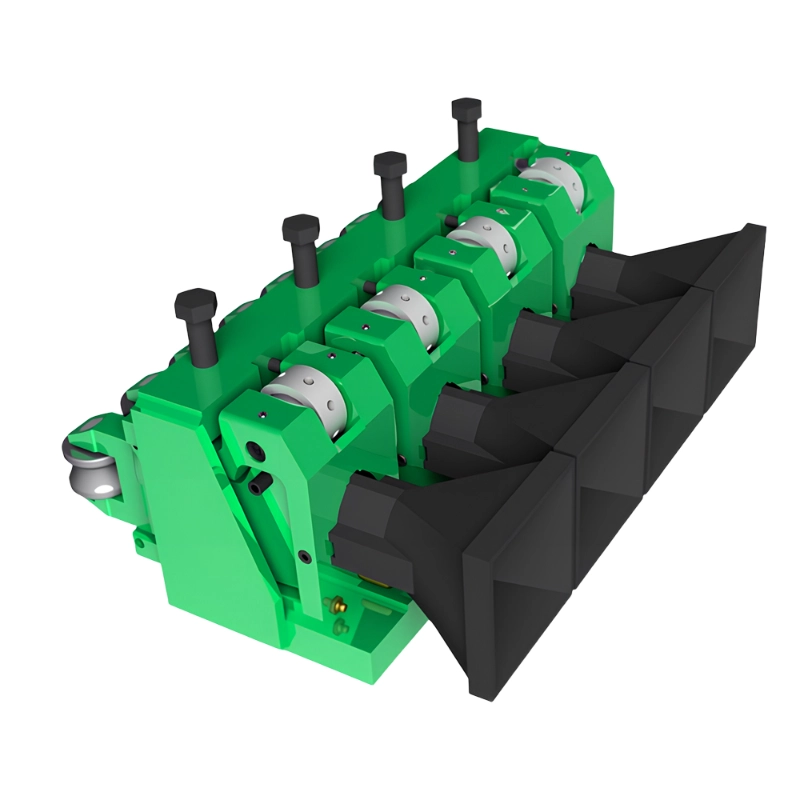
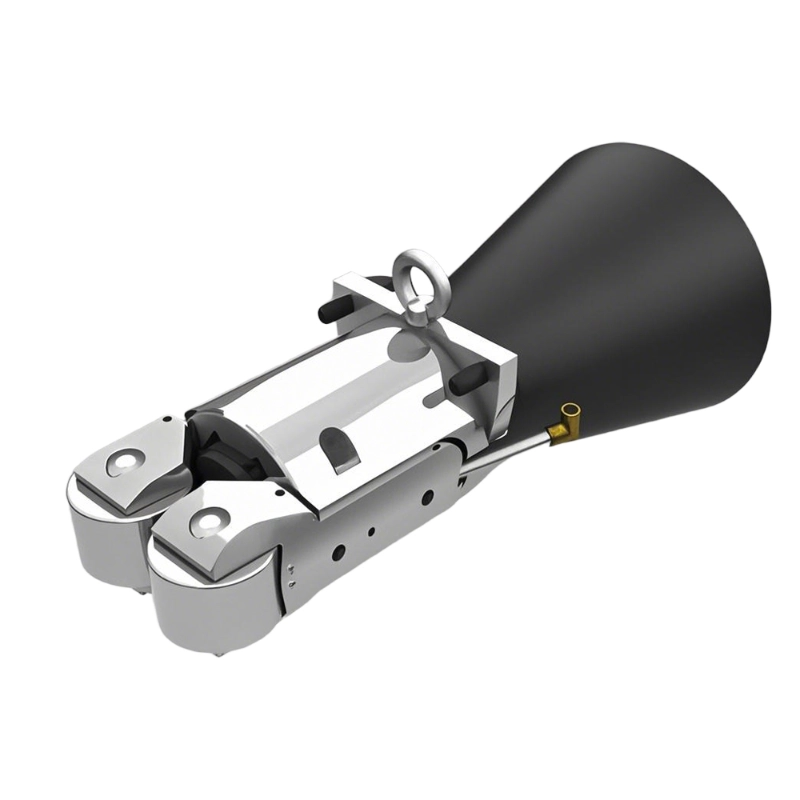
In a high-speed rolling environment, roller guides are responsible for directing and stabilizing the steel bar as it passes through rolling stands. They ensure that the material enters the rolls accurately, preventing vibration, twisting, and surface defects.
Main Functions of Roller Guides
| Function | Description |
|---|---|
| Material Guidance | Keeps the wire rod aligned during rolling |
| Surface Protection | Reduces scratches and deformation |
| Dimensional Stability | Improves tolerance control |
| Operational Safety | Prevents cobbles and misalignment |
| Rolling Efficiency | Supports stable high-speed production |
Because these guides operate continuously at high temperatures and speeds, wear is inevitable. However, proper maintenance and engineering practices can significantly delay deterioration.
Common Causes of Premature Roller Guide Failure
Understanding why guides fail is the first step toward extending their lifespan.
1. Excessive Friction and Wear
Continuous contact between the guide rollers and hot steel causes surface wear. Without sufficient lubrication, friction increases rapidly, damaging bearings and guide surfaces.
2. Improper Cooling
Inadequate cooling leads to overheating, thermal expansion, and material fatigue. High temperatures can also degrade lubricant performance.
3. Misalignment During Installation
Even slight installation errors may create uneven pressure distribution, accelerating localized wear and causing vibration.
4. Poor Material Selection
Low-quality guide materials often lack the hardness and heat resistance required for high-speed wire rod mill conditions.
5. Contamination
Scale, dust, and metal particles can enter bearings and rolling surfaces, leading to abrasion and premature bearing failure.
Selecting the Right Materials for Longer Service Life
Material selection directly affects durability and maintenance intervals.
High-Wear Resistant Alloys
Modern rolling mill rolling guides frequently use alloy steels with enhanced hardness and thermal stability.
Recommended Material Properties
| Property | Importance |
|---|---|
| High Hardness | Improves wear resistance |
| Thermal Stability | Prevents heat deformation |
| Impact Resistance | Reduces cracking risk |
| Corrosion Resistance | Improves durability in wet environments |
Tungsten carbide coatings and ceramic composite surfaces are increasingly used in demanding rolling applications due to their excellent wear resistance.
Optimize Lubrication Systems
Lubrication is one of the most critical factors affecting guide lifespan.
Why Lubrication Matters
Proper lubrication:
- Minimizes metal-to-metal contact
- Reduces friction and heat generation
- Protects bearings from contamination
- Prevents premature bearing seizure
Without adequate lubrication, roller temperatures rise quickly, causing accelerated wear and bearing damage.
Best Lubrication Practices
Use High-Temperature Grease
Standard grease may break down under high rolling temperatures. Specialized high-temperature lubricants maintain viscosity and protective performance.
Implement Automatic Lubrication
Automated systems ensure consistent lubricant supply and reduce the risk of human error.
Monitor Lubricant Consumption
Unexpected increases in lubricant usage may indicate seal failure or excessive wear.
Improve Cooling Efficiency
Cooling systems are essential in high-speed wire rod mill operations because roller guides are continuously exposed to radiant heat from hot steel.
Effective Cooling Strategies
Water Cooling Systems
Internal water channels help maintain stable operating temperatures.
Optimized Nozzle Positioning
Proper nozzle alignment ensures uniform cooling across the guide assembly.
Prevent Scale Build-Up
Blocked cooling passages reduce heat dissipation efficiency and create hot spots.
Proper Installation and Alignment Techniques
Incorrect installation is a major contributor to shortened guide life.
Alignment Best Practices
Precision Positioning
Guides must align accurately with rolling pass centers to avoid uneven loading.
Secure Fastening
Loose mounting components create vibration and unstable rolling conditions.
Routine Alignment Checks
Regular inspection prevents gradual misalignment caused by thermal cycling and vibration.
Implement Preventive Maintenance Programs
Reactive maintenance often results in costly downtime and emergency repairs. Preventive maintenance significantly improves operational reliability.
Key Maintenance Procedures
| Maintenance Task | Recommended Frequency |
|---|---|
| Bearing Inspection | Daily |
| Lubrication Check | Every Shift |
| Cooling Flow Inspection | Daily |
| Alignment Verification | Weekly |
| Roller Surface Inspection | Weekly |
Preventive maintenance reduces catastrophic failures and allows operators to replace worn components before severe damage occurs.
Monitor Bearing Performance Carefully
Bearings are among the most vulnerable parts of roller guide systems.
Signs of Bearing Problems
- Unusual vibration
- Excessive heat
- Noise during operation
- Increased rolling resistance
- Irregular roller movement
Early detection can prevent extensive damage to the entire guide assembly.
Use Condition Monitoring Technologies
Modern mills increasingly adopt predictive maintenance technologies such as:
- Vibration analysis
- Infrared temperature monitoring
- Oil analysis
- Acoustic monitoring
These systems help maintenance teams identify developing issues before failure occurs.
Reduce Operational Shock Loads
Sudden impacts and unstable rolling conditions dramatically reduce guide lifespan.
Causes of Shock Loads
- Improper billet entry
- Rolling speed fluctuations
- Poor pass design
- Cobble events
- Misaligned entry guides
Reducing operational instability helps minimize stress on rollers and bearings.
Maintain Proper Roller Surface Quality
Damaged roller surfaces negatively affect both guide life and product quality.
Common Surface Issues
| Surface Defect | Potential Cause |
|---|---|
| Grooving | Excessive friction |
| Cracking | Thermal fatigue |
| Pitting | Contamination |
| Uneven Wear | Misalignment |
Regular polishing or timely replacement prevents secondary damage to adjacent components.
The Importance of Spare Parts Quality
Using inferior spare parts may initially reduce costs, but often leads to higher long-term expenses due to shorter replacement intervals and unplanned downtime.
What to Look for in Replacement Components
- Precise machining tolerances
- Heat-treated materials
- Reliable bearing brands
- Proven high-speed performance
- Compatibility with mill specifications
Investing in high-quality spare parts improves stability and reduces maintenance frequency.
Digital Maintenance and Smart Monitoring
Modern steel mills are increasingly integrating digital monitoring systems into maintenance operations.
Advantages of Smart Monitoring
| Technology | Benefit |
|---|---|
| IoT Sensors | Real-time condition monitoring |
| Thermal Imaging | Early overheating detection |
| AI Predictive Analysis | Failure prediction |
| Automated Alerts | Faster maintenance response |
Digital maintenance systems can significantly reduce unexpected downtime in high-speed production environments.
Training Operators and Maintenance Personnel
Even advanced equipment requires skilled personnel for optimal performance.
Essential Training Areas
- Correct guide installation
- Lubrication procedures
- Alignment verification
- Bearing inspection
- Troubleshooting abnormal vibration
Well-trained operators can often identify early warning signs before serious failures occur.
Balancing Production Speed and Equipment Longevity
Higher rolling speeds increase productivity, but they also accelerate wear.
Finding the Optimal Balance
Operators should evaluate:
- Production targets
- Guide wear rates
- Maintenance intervals
- Cooling efficiency
- Bearing temperatures
A slightly reduced rolling speed may significantly extend equipment lifespan while maintaining overall operational efficiency.
Environmental Factors That Affect Roller Guide Durability
The operating environment also impacts component life.
Environmental Risks
- Excessive humidity
- Water contamination
- Metal dust accumulation
- Scale deposits
- High ambient temperatures
Maintaining a clean and controlled mill environment helps reduce contamination-related wear.
Future Trends in Roller Guide Technology
The steel industry continues to develop more durable and intelligent guide systems.
Emerging Innovations
Advanced Composite Materials
New ceramic-metal composites offer superior wear resistance and thermal stability.
Self-Lubricating Bearings
These systems reduce maintenance requirements and improve reliability.
Smart Guide Assemblies
Integrated sensors allow continuous monitoring of temperature, vibration, and wear conditions.
These innovations are expected to improve rolling mill rolling guides performance and reduce operating costs in future high-speed wire rod mill applications.
Conclusion
Extending the service life of roller guides requires a comprehensive maintenance strategy that combines proper material selection, effective lubrication, accurate alignment, efficient cooling, and predictive monitoring.
For steel manufacturers operating high-speed wire rod mill production lines, investing in preventive maintenance and high-quality components delivers substantial long-term benefits, including:
- Reduced downtime
- Lower spare parts consumption
- Improved rolling stability
- Better product quality
- Higher production efficiency
As rolling speeds continue to increase and production demands become more demanding, reliable roller guide maintenance will remain essential for achieving consistent operational performance and cost control.
FAQ
1. What is the main reason roller guides fail in high-speed wire rod mills?
The most common causes include insufficient lubrication, overheating, misalignment, contamination, and excessive operational shock loads. Regular maintenance greatly reduces failure risk.
2. How often should roller guides be inspected?
Critical inspections such as lubrication and bearing condition checks should typically be performed daily or every shift, while alignment and surface inspections are often conducted weekly.
3. Can predictive maintenance improve roller guide lifespan?
Yes. Technologies such as vibration monitoring, thermal imaging, and IoT-based condition monitoring help detect wear and overheating early, allowing maintenance teams to prevent major failures before they occur.